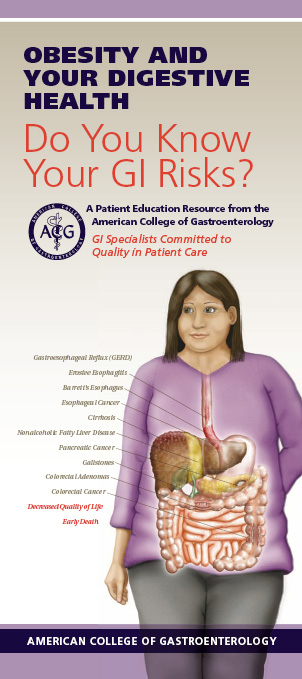
Treatments and Specialties of Javier A. Pou, MD, FACG
Not all gastroenterologists are the same. Through our investment in training and technology, we are dedicated to providing our patients with the best environment for preventative and corrective procedures. Our quality measures speak from themselves. Invest in your health by booking an appointment with a premier specialist in an ambulatory setting. Our clinic is welcoming and comfortable. We are here to answer your questions.
Colonoscopy
Colonoscopy lets your doctor examine the lining of your large intestine for abnormalities by slowly inserting a thin flexible tube into the rectum and colon.
Endoscopic Mucosal Resection
Endoscopic mucosal resection is a technique to remove tumors positioned just under the gastrointestinal lining without the need for surgery.
Endoscopy
An upper endoscopy is an examination the lining of the upper part of your gastrointestinal tract including the esophagus, stomach, and duodenum.

Your Right to Decide
A Guide to Communicating Your Health Care Choices in Virginia
In 1990, Congress passed the Patient Self Determination Act. It requires health care institutions to tell patients and the people in their communities about their right under Virginia law to make decisions about their health care. These rights include the right to accept or refuse care, and the right to make Advance Directives about their care.

Patient Rights and Responsibilities
Policies on Patient Rights, Responsibilities, and Procedures
The purpose of this policy is to establish guidelines for patient’s rights, participation, and responsibilities.
A copy of the patient rights is available to all patients or responsible parties upon admission, if requested, and displayed prominently in the waiting area.

Steps we are taking to keep you safe
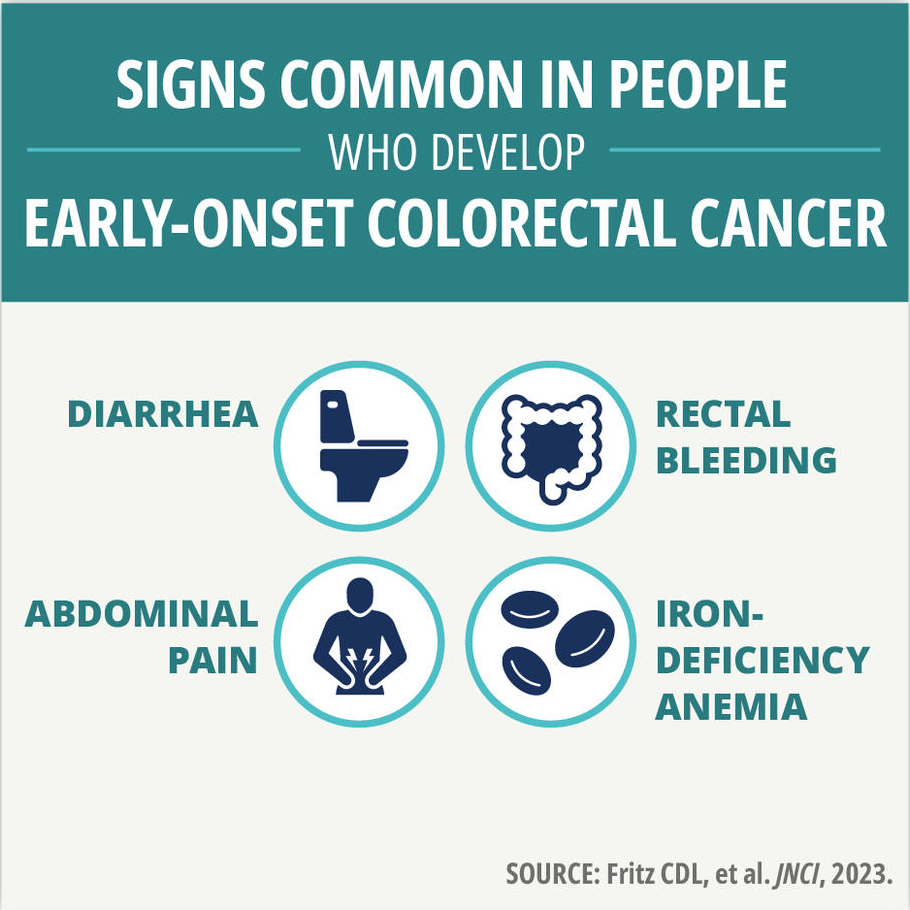
Study identifies potential warning signs of colorectal cancer in younger adults
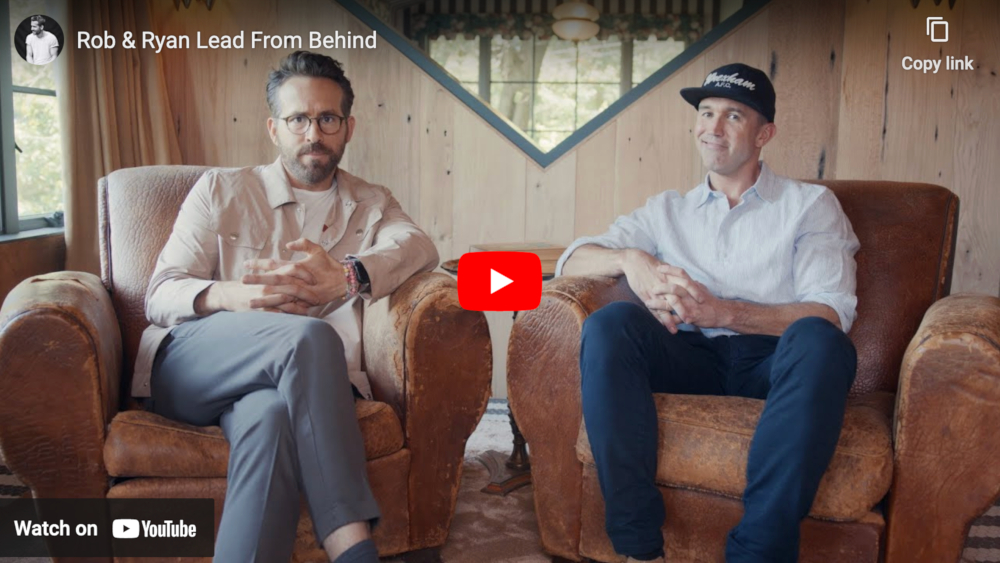
Rob McElhenney and Ryan Reynolds are on a mission to make cancer famous
JMU Athletics mourns loss of Associate AD Tom Kuster to colon cancer at 49

GIs react to recommendation to lower colorectal cancer screening age to 45
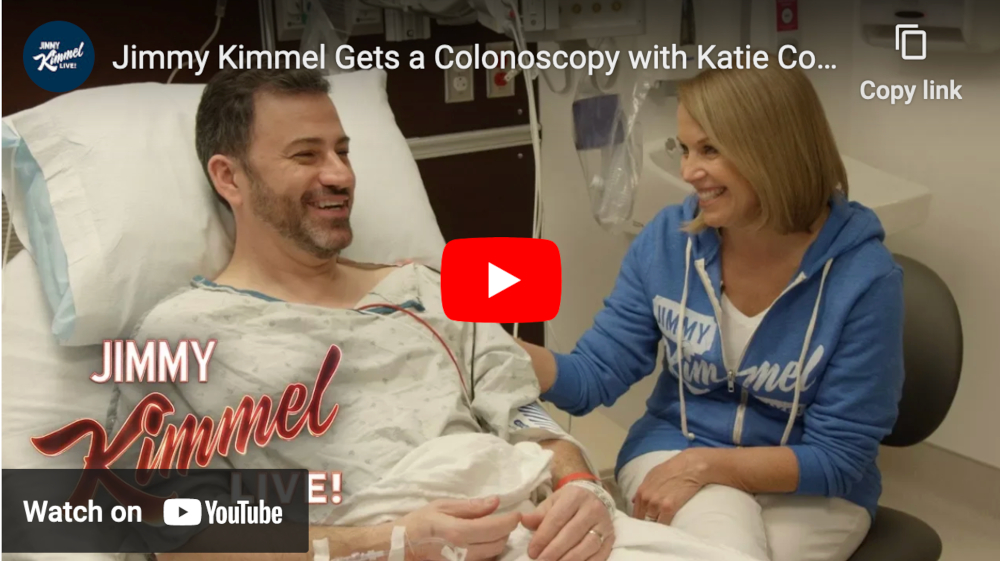
Jimmy Kimmel goes to his first colonoscopy with a lot of help from Katie Couric